


-

Add: HeBei ShengShi HongBang Cellulose Technology CO.,LTD.
-

Email
13180486930@163.com -

CONTACT US
+86 13180486930




Raw Materials for Synthetic Fibers An Overview Synthetic fibers have become an integral part of our daily lives, shaping industries ranging from fashion to automotive. These fibers are made from raw materials that have transformed textiles, offering durability, versatility, and a range of functionalities. To understand the production of synthetic fibers, it is essential to explore the various raw materials involved, the processes of transforming these materials, and their impact on the textile industry and the environment. Types of Raw Materials The production of synthetic fibers primarily relies on petrochemical products derived from crude oil. The two most common types of synthetic fibers are polyesters and polyamides, which are produced from specific raw materials. 1. Polyester The most widely used synthetic fiber, polyester, is typically made from polyethylene terephthalate (PET). PET is synthesized from two key raw materials terephthalic acid and ethylene glycol. Both of these compounds originate from crude oil, undergoing processes such as polymerization to create polyesters. Known for its strength and resistance to stretching and shrinking, polyester has become a popular choice in clothing, home furnishings, and industrial applications. 2. Polyamide (Nylon) Another significant synthetic fiber is polyamide, commonly known as nylon. The production of nylon involves raw materials like hexamethylenediamine and adipic acid, which can also be sourced from petroleum or derived from renewable resources. Nylon fibers are prized for their exceptional elasticity, strength, and abrasion resistance, making them ideal for products such as hosiery, activewear, and ropes. 3. Acrylic Acrylic fibers, often used as a wool substitute, are manufactured from polyacrylonitrile (PAN). The raw materials for PAN typically include acrylonitrile, which is derived from propylene—another byproduct of oil refining. Acrylic fibers are lightweight, soft, and exhibit good color retention, providing a popular choice in blankets, sweaters, and textiles. The Production Process Once the raw materials are sourced, the production of synthetic fibers generally involves several key steps polymerization, spinning, and finishing. raw material for synthetic fibers - Polymerization This process involves chemically reacting the raw materials to form long chains of molecules, known as polymers. Depending on the desired characteristics of the final product, variations in the chemical process can be implemented to achieve specific attributes, such as thickness and flexibility. - Spinning After polymerization, the resulting polymers are melted down and extruded through spinnerets, which are devices that create filaments. As the molten polymer passes through tiny holes, it cools and solidifies to form fibers. This spinning process can be done using different techniques, such as dry, wet, or melt spinning, each resulting in different types of fiber characteristics. - Finishing The final step in fiber production involves finishing processes that enhance the fiber's performance characteristics. This might include dyeing, texturing, or applying treatments that improve properties like water resistance or flame retardance. Environmental Considerations While synthetic fibers have revolutionized the textile industry, their production poses significant environmental challenges. The extraction and processing of petrochemical raw materials contribute to carbon emissions, pollution, and reliance on fossil fuels. Furthermore, synthetic fibers are not biodegradable, resulting in long-lasting waste in landfills and oceans. To address these concerns, there is a growing movement towards sustainable practices in synthetic fiber production. Innovations in recycling technologies are enabling the repurposing of old synthetic garments into new fibers. Brands are also exploring bio-based alternatives, using renewable resources such as corn starch or sugarcane to produce synthetic fibers, thus reducing their environmental footprint. Conclusion The journey of synthetic fibers from raw materials to finished products is a complex interplay of chemistry, engineering, and environmental considerations. As demand for these materials continues to grow, it is vital to find a balance between industrial benefits and ecological sustainability. By prioritizing innovation and responsible sourcing, the future of synthetic fibers may pave the way for a more sustainable textile industry, combining functionality with environmental stewardship.
- 40000tons

Production
- 20+years

Experience
- 5000+㎡

Acreage

-
Raw Materials for Synthetic Fibers An Overview Synthetic fibers have become an integral part of our daily lives, shaping industries ranging from fashion to automotive. These fibers are made from raw materials that have transformed textiles, offering durability, versatility, and a range of functionalities. To understand the production of synthetic fibers, it is essential to explore the various raw materials involved, the processes of transforming these materials, and their impact on the textile industry and the environment. Types of Raw Materials The production of synthetic fibers primarily relies on petrochemical products derived from crude oil. The two most common types of synthetic fibers are polyesters and polyamides, which are produced from specific raw materials. 1. Polyester The most widely used synthetic fiber, polyester, is typically made from polyethylene terephthalate (PET). PET is synthesized from two key raw materials terephthalic acid and ethylene glycol. Both of these compounds originate from crude oil, undergoing processes such as polymerization to create polyesters. Known for its strength and resistance to stretching and shrinking, polyester has become a popular choice in clothing, home furnishings, and industrial applications. 2. Polyamide (Nylon) Another significant synthetic fiber is polyamide, commonly known as nylon. The production of nylon involves raw materials like hexamethylenediamine and adipic acid, which can also be sourced from petroleum or derived from renewable resources. Nylon fibers are prized for their exceptional elasticity, strength, and abrasion resistance, making them ideal for products such as hosiery, activewear, and ropes. 3. Acrylic Acrylic fibers, often used as a wool substitute, are manufactured from polyacrylonitrile (PAN). The raw materials for PAN typically include acrylonitrile, which is derived from propylene—another byproduct of oil refining. Acrylic fibers are lightweight, soft, and exhibit good color retention, providing a popular choice in blankets, sweaters, and textiles. The Production Process Once the raw materials are sourced, the production of synthetic fibers generally involves several key steps polymerization, spinning, and finishing. raw material for synthetic fibers - Polymerization This process involves chemically reacting the raw materials to form long chains of molecules, known as polymers. Depending on the desired characteristics of the final product, variations in the chemical process can be implemented to achieve specific attributes, such as thickness and flexibility. - Spinning After polymerization, the resulting polymers are melted down and extruded through spinnerets, which are devices that create filaments. As the molten polymer passes through tiny holes, it cools and solidifies to form fibers. This spinning process can be done using different techniques, such as dry, wet, or melt spinning, each resulting in different types of fiber characteristics. - Finishing The final step in fiber production involves finishing processes that enhance the fiber's performance characteristics. This might include dyeing, texturing, or applying treatments that improve properties like water resistance or flame retardance. Environmental Considerations While synthetic fibers have revolutionized the textile industry, their production poses significant environmental challenges. The extraction and processing of petrochemical raw materials contribute to carbon emissions, pollution, and reliance on fossil fuels. Furthermore, synthetic fibers are not biodegradable, resulting in long-lasting waste in landfills and oceans. To address these concerns, there is a growing movement towards sustainable practices in synthetic fiber production. Innovations in recycling technologies are enabling the repurposing of old synthetic garments into new fibers. Brands are also exploring bio-based alternatives, using renewable resources such as corn starch or sugarcane to produce synthetic fibers, thus reducing their environmental footprint. Conclusion The journey of synthetic fibers from raw materials to finished products is a complex interplay of chemistry, engineering, and environmental considerations. As demand for these materials continues to grow, it is vital to find a balance between industrial benefits and ecological sustainability. By prioritizing innovation and responsible sourcing, the future of synthetic fibers may pave the way for a more sustainable textile industry, combining functionality with environmental stewardship.
-

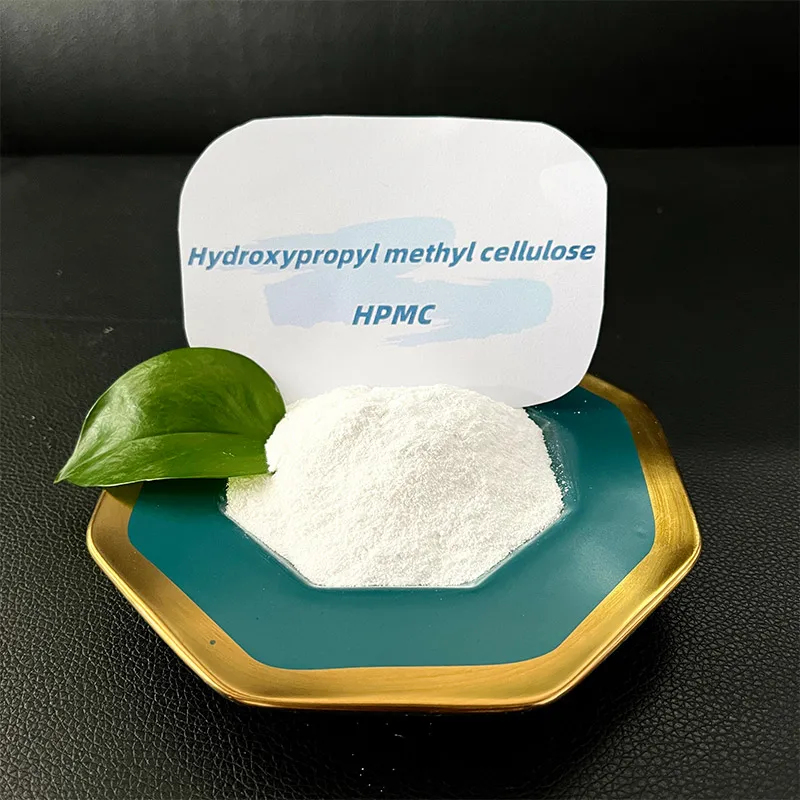
HPMC Monograph Your Comprehensive Guide to Understanding Hydroxypropyl Methylcellulose in Product Formulation Hydroxypropyl Methylcellulose (HPMC) is an essential ingredient in a vast array of industries, from pharmaceuticals to food production, and even household products. With its remarkable versatility and properties, HPMC has become a crucial component for formulators across the globe. This monograph aims to unravel the complexities of HPMC, offering insights based on experience, expertise, and research-backed authority to enhance understanding and trust in its application. HPMC A Multifaceted Polymer HPMC belongs to the class of cellulose ethers, produced through the chemical modification of cellulose, the most abundant biopolymer on Earth. Adding hydroxypropyl and methyl groups to cellulose results in HPMC, a polymer renowned for its solubility in cold water, film-forming abilities, and non-toxic nature. These characteristics make it an invaluable excipient in product formulations. Applications Across Industries 1 . Pharmaceuticals In drug formulation, HPMC plays a pivotal role as a controlled-release agent, binder, and film-coating material. Its ability to form viscous solutions and gels helps maintain drug stability and enhance bioavailability. These properties are crucial for developing both generic and brand-name medications, ensuring consistent therapeutic effects. 2. Food Industry As a food additive, HPMC serves as a thickener, stabilizer, and emulsifier. It is commonly found in products like baked goods, sauces, and low-calorie foods. Its heat and pH stability ensure that textures remain desirable in various culinary applications, offering an enhanced eating experience. 3. Construction Materials In the construction sector, HPMC is utilized in tile adhesives, cement mixtures, and exterior wall coatings. Its water retention and adhesive properties enhance the workability of these materials, providing durable and efficient building solutions. 4. Cosmetics and Personal Care HPMC is used for its film-forming and thickening properties in products such as shampoos, lotions, and creams. It enhances the texture and stability of these formulations, contributing to a positive consumer experience. Expert Insight The Science Behind HPMC's Functionality hpmc monograph The utility of HPMC in various applications is fundamentally linked to its molecular structure and interaction with other formulation components. The degree of substitution and molecular weight of HPMC can be tailored to meet specific application needs. Researchers and product developers must consider viscosity grades and solubility profiles to optimize the performance of HPMC in their formulations. Studies have demonstrated the superior film-forming capabilities of HPMC, noting its resilience and flexibility, which are critical factors in ensuring long-term functionality. Additionally, HPMC's bioadhesive properties make it an excellent candidate for mucoadhesive drug delivery systems, further expanding its versatility in pharmaceutical applications. Building Trust Through Quality and Compliance Ensuring the quality and safety of HPMC is paramount to maintaining trust and authority in its usage. Leading manufacturers adhere to strict regulatory standards, including those set by the FDA and EMA, to ensure that HPMC products meet pharmaceutical, food-grade, and industrial criteria. Regular audits, quality control measures, and adherence to GMP (Good Manufacturing Practice) guidelines are essential to maintaining the credibility of HPMC suppliers. For formulators, choosing a reliable supplier with a proven track record in compliance can significantly impact the success of a product. Sustainability and Future Directions As industries emphasize sustainable practices, the role of biopolymers like HPMC becomes increasingly important. Derived from renewable resources, HPMC aligns with the global shift towards eco-friendly and sustainable product solutions. Innovations in production processes aim to reduce environmental impact while enhancing the efficiency and functionality of HPMC in various applications. Future research may focus on the development of HPMC blends and composites, unlocking new functionalities and expanding its usability across different sectors. By continually pushing the boundaries of what HPMC can achieve, industries can leverage this versatile polymer to drive innovation and meet evolving consumer demands. In conclusion, the HPMC monograph provides a thorough understanding of this essential ingredient, highlighting its multifaceted applications, expert insights into its functionality, and its alignment with quality and sustainability standards. By advancing knowledge and expertise in HPMC, formulators can enhance their product offerings with confidence and effectiveness.
advantages
-

200000 Viscosities
Excellent product
We can produce pure products up to 200,000 viscosities
-

40000 tons
High yield
We don’t stop production all year round, and the annual output can reach 40,000 tons
-

24 hours
Quality service
We provide 24-hours online reception service, welcome to consult at any time
———— Inquiry Form
Schedule A services

-
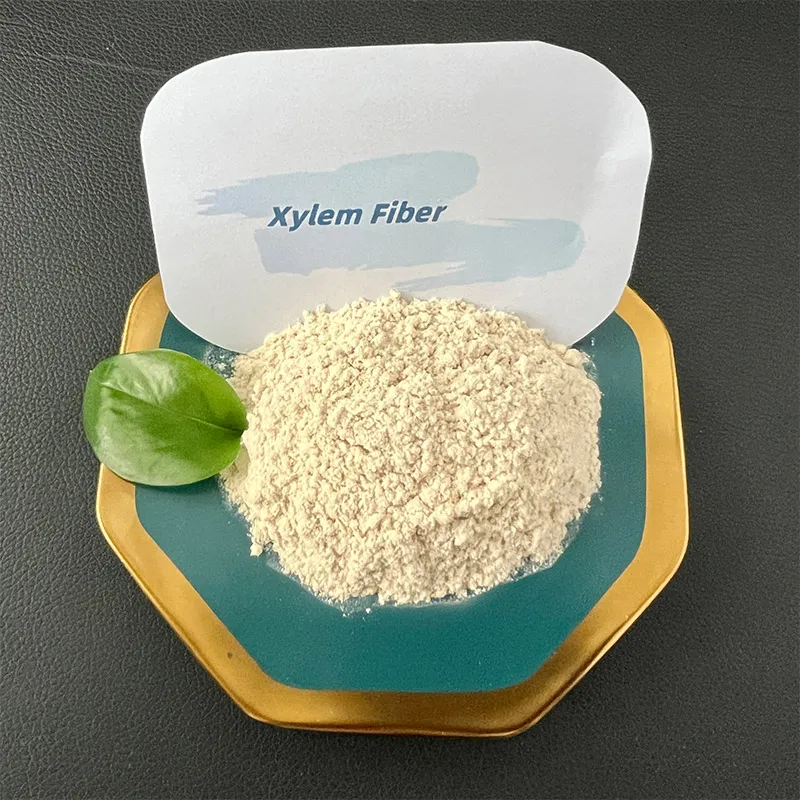 polypropylene_concrete_fiber_reinforcement
Oct . 25, 2025
The journey of synthetic fibers began with an innovation that changed the textile industry forever t -
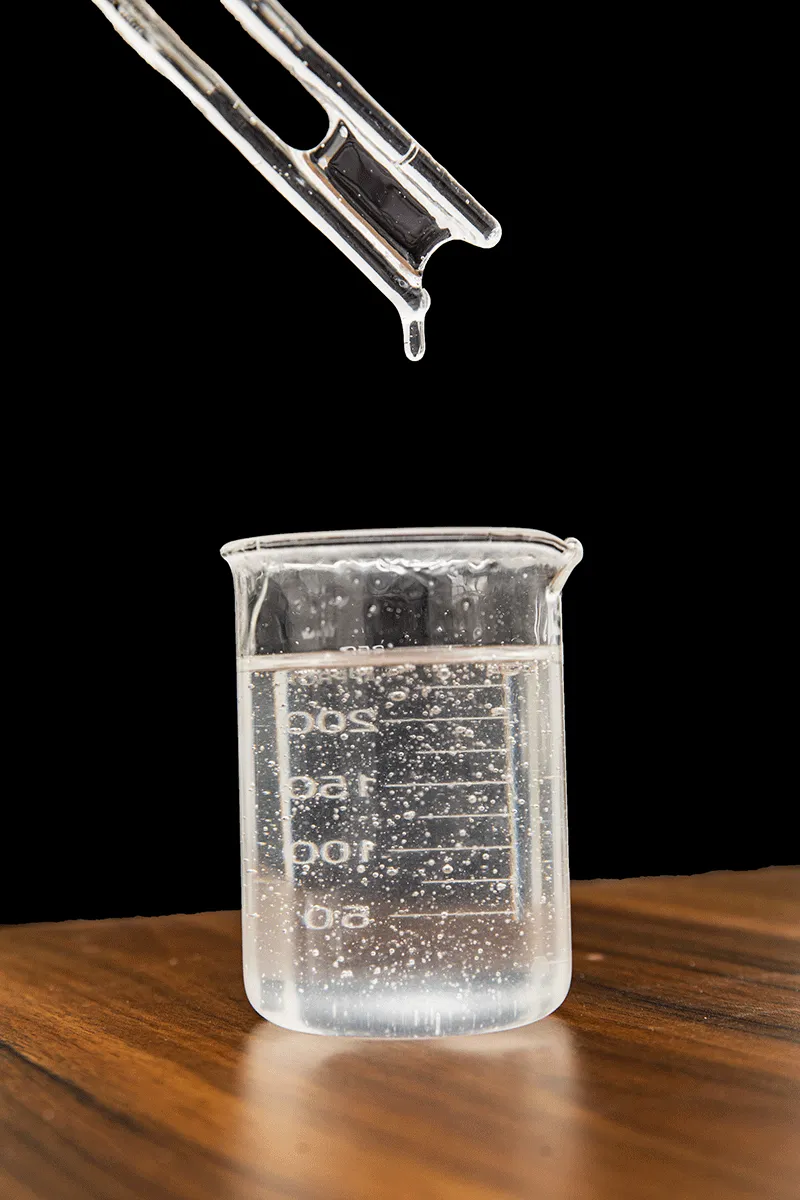 hpmc_nasal_spray_covid
Oct . 25, 2025
Hydroxyethyl starch (HES) has surged into focus as a powerful tool within the medical and healthcare -
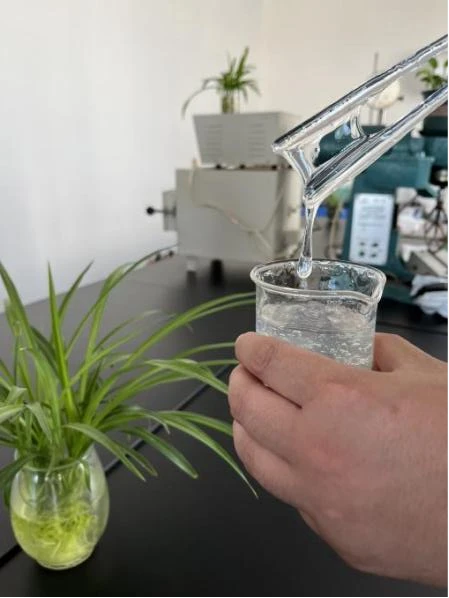 hydroxypropyl_methylcellulose__in_gesso
Oct . 25, 2025
Company Overview HeBei ShengShi HongBang Cellulose Technology CO.,LTD. Visit Official Website Tel: +


